I had been feeling really well for about a year, and then at the end of February I had a relapse in health symptoms. I understand the mind-body connection, so I could appreciate that the collective trauma and stress around the Coronavirus, and the changes in our life, likely contributed to this.
I started feeling more pain in my neck and shoulders, fatigue, and experiencing insomnia some nights, needing a day-nap to catch up on my sleep. For times like this you need quick strategies to ease pain and fatigue.
I was reminded about how chronic pain can be difficult to deal with. How it can be a frustrating and often debilitating place to be in.
I was also reminded about my deep and genuine interest in facilitating healing and growth in others, which has been deepened through dealing with my own challenges, both physically and emotionally.
This challenge led me to discover why this was happening within me and how I could heal myself. I am truly grateful now for this experience. I can say that it has been a gift and that my own suffering has led me to a place where I have greater compassion and understanding for others in their emotional and physical pain.
I say with absolute confidence that emotional and physical pains are connected. The mind and the body - you cannot separate the two. Scientists and researchers are now confirming in peer-reviewed studies that the mind-body connection is definitely real.
What puzzles me still to this day is that for all my doctors' emphasis on evidence-based medicine, none of them ever suggested this connection. If only they had, I might have been saved years of pain and anguish.
Fortunately I went on my own journey with it, and over the years I have built up an arsenal of holistic options that work for me: pacing, daily stretching, EFT and breath work, infrared sauna, essential oils, red light therapy.
I feel blessed as I have some very effective pain relief strategies, and in just a few short months I am already feeling so much better again.
I thought I'd share with you some of my top strategies for easing pain and fatigue. What you might notice is that many of these tools use the power of your mind to help your physical body overcome pain. Often, when you focus your mind on healing, relief follows.
1. Morning meditation and breathwork
Starting my day with a mind-body practice like meditation keeps my mind focused on the present, which makes the experience of pain less intense.
If you're new to meditation, you can still benefit. A study in the 'Journal of Pain' found that after just a single hour of mindfulness meditation training over a three-day period, participants felt less pain while meditating and also experienced less pain sensitivity when they were not meditating.
You can get started by finding a quiet location, sitting in a comfortable posture, then focusing your attention on your breath, an object or a mantra (a meaningful word or phrase). If you find your mind wandering, simply bring it back to your focal point without judgment. Prayer, tai chi, qi gong, yoga and journaling can also offer meditative benefits, so choose the form that feels best for you.
I recently attended a 4 week breathwork course and it has transformed my morning meditation practice, along with releasing physical pain and subconscious negative emotions. Not only that, but it has given me a 'pep in my step' and I'm more inspired and energised for my day ahead. As part of my practice I include 28 conscious breaths along with a round of gentle breath holds.
2. Acupuncture
Acupuncture, an ancient form of traditional Chinese medicine, involves inserting thin needles into your body to stimulate specific points and regulate the flow of "qi" (vital energy) throughout your body. This practice is widely used for many types of pain, ranging from low back pain and carpal tunnel syndrome to osteoarthritis and fibromyalgia. This is a regular practice for me. I have been seeing the same acupuncturist for a few years and she knows my body and pain needs well.
3. Low inflammation diet
An inflammatory diet that is low in nutrients and high in toxins is one of the main causes of modern-day inflammation. This includes foods like sugar, processed and high-sugar junk foods, refined oils, gluten and refined white flour.
The good news is that diet plays a role in preventing and reducing inflammation.
A low-inflammation diet, such as Mediterranean or plant-based, have been shown in studies to help people overcome chronic pain as well as improve their overall health. This is because they are filled with nutrients, vitamins, antioxidants, polyphenols, and phytonutrients, all of which are needed for a healthy body. I follow this eating plan, and I notice a big decrease in the inflammation and pain levels in my body when I stick with it.
Our 28-Day Mojo Detox and Meal Plan is a mostly plant-based, low inflammation diet, and in the winter version we have included additional immunity boosting tips, tools, and recipes, all aimed at reducing the inflammation (pain, toxins, and disease) in the body.
4. EFT, tapping
When I discovered Tapping, Emotional Freedom Technique (EFT) back in 2013, it worked so well for my pain that I was inspired to study and become a practitioner myself. I couldn't believe this amazing tool existed, which quickly and effectively relieved pain and fatigue, among other ailments.
I've introduced hundreds of people to the power of tapping through my coaching work and online programmes. In my professional experience, those who learn tapping also learn how to self-manage their pain at a level they never imagined possible.
What I love so much about this acupressure technique is that you can learn it for yourself and apply it anytime you need it. If you are suffering from chronic pain you will know that often you need the relief in the middle of the night when you can't sleep.
This powerful holistic healing tool has been proven to effectively resolve a range of issues, including stress, anxiety, chronic pain, addiction, weight control, and limiting beliefs, just to name a few. Further information on personalised sessions can be found HERE.
5. See a massage therapist
Massage therapists use a variety of techniques, including kneading, tapping, pressure and deep circular movements, to relieve a variety of conditions, including pain. According to a survey by the American Hospital Association, nearly 91 percent of respondents agreed that massage was effective in reducing pain.
According to the American Massage Therapy Association, massage stimulates your brain to produce endorphins (natural pain-relieving chemicals) and other studies have shown that massage therapy:
- Promotes relaxation and alleviates the perception of pain and anxiety in cancer patients
- Reduces post-traumatic headaches better than cold-packs
- Reduces pain and muscles spasms in patients who have had heart bypass surgery.
6. Daily exercise
Exercise prompts the release of pain-relieving endorphins, which can help to block pain signals from reaching your brain. Exercise also works to boost your mood, strengthen bones, muscles and tissues around joints, and provides you with more energy.
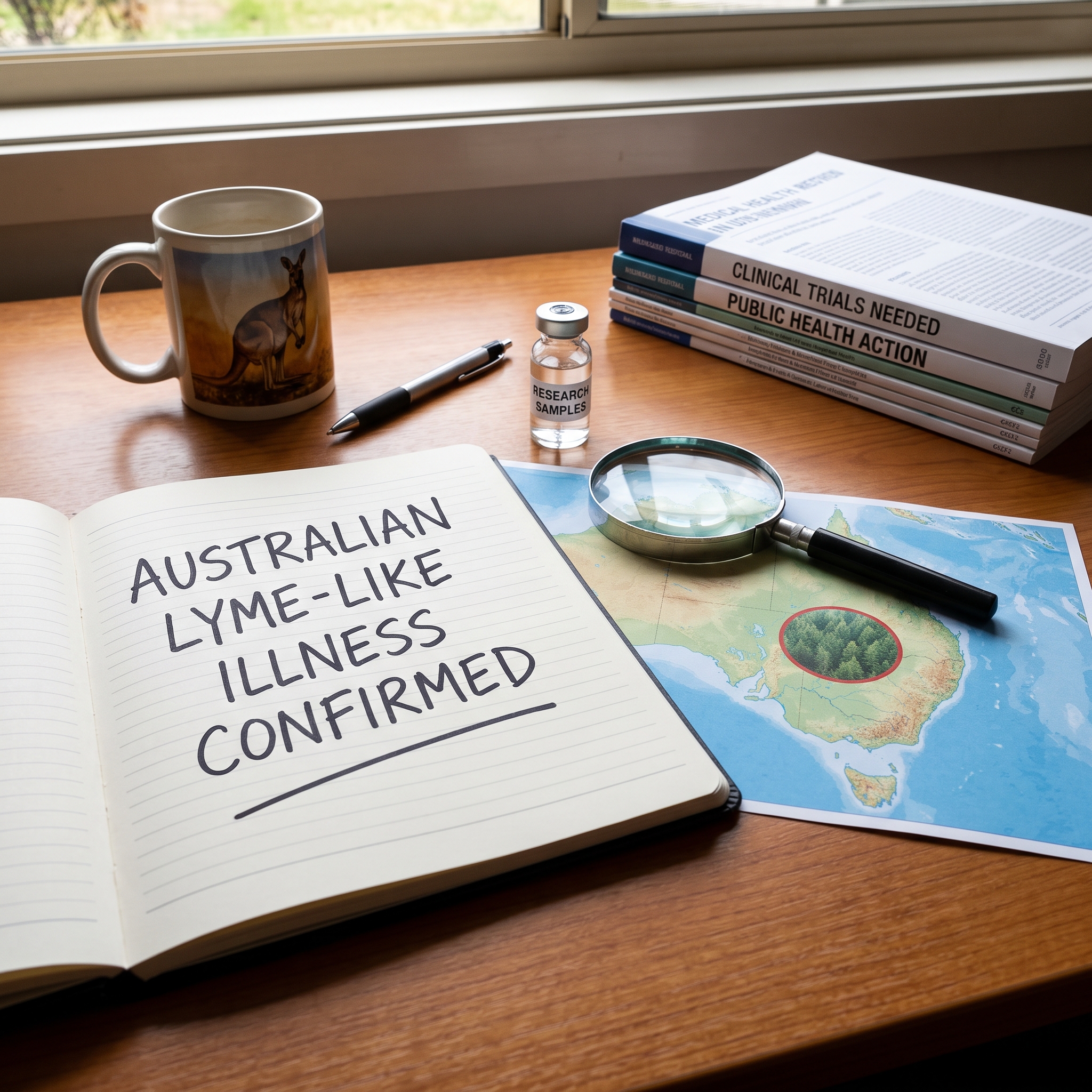
For those with a Lyme-like illness (from ticks) like myself, one study found pool exercise significantly improved chronic widespread pain. I try and get in my pool to exercise when I can, luckily we can heat it for winter.
Gentler forms of exercise, such as yoga, can also be rotated into your routine. Researchers at Harbor UCLA Medical Center in Los Angeles, California found that engaging in 90-minute yoga sessions three times a week for one month resulted in significant reductions in frequency and severity of chronic pain. Patients were also able to cut back on pain medications and had improvements in mood and anxiety levels.
If you're in pain, you need to be careful not to overdo exercise or engage in high-impact activities that could worsen your condition. Consulting with a knowledgeable personal trainer can help ensure your workouts are beneficial for your individual health needs.
Because pain is often such a complex issue to treat, and the methods that work are highly varied depending on your individual situation, adding one, two or several of these strategies to your arsenal may give you the much-needed relief you need.