When you've spent years inside your own broken body, you start paying attention to anything that might genuinely help. That's how red light therapy ended up on my radar.
It's not new. The technology has been around for decades. But the research is finally catching up to what some practitioners have known for a while, and the results are interesting enough that I think it's worth talking about.
Here's the thing about light. We need it. We're built for it. And most of us spend about 93% of our time indoors, soaking up artificial light from screens and ceiling fluorescents while barely seeing the sun. That has consequences.
Red light is different. It doesn't carry the UV damage of full sunlight, and it doesn't mess with your sleep the way blue light does. What it does, according to a growing body of research, is genuinely fascinating.
What red light therapy actually is
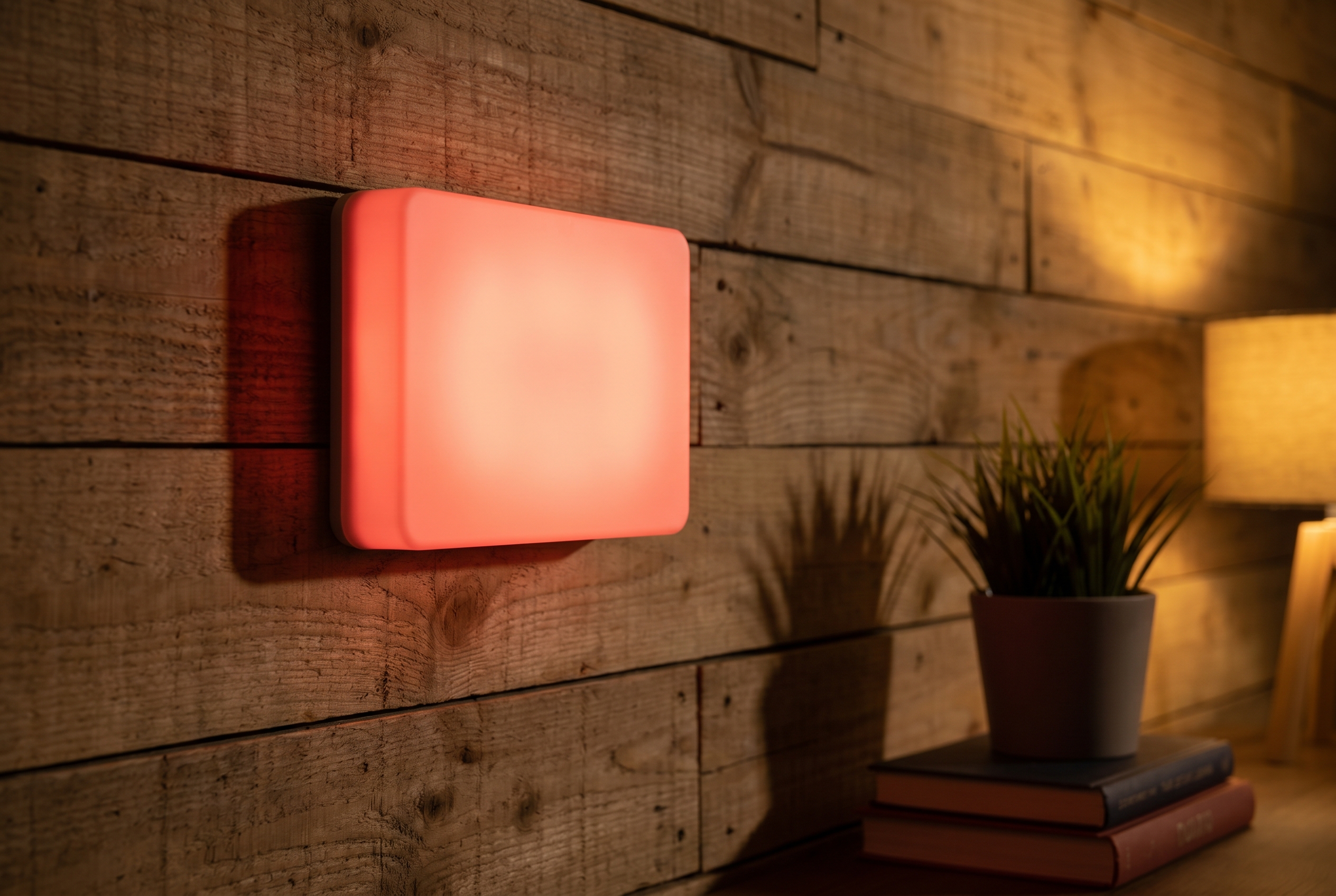
Strip away the wellness marketing and it's pretty simple. An LED device emits red and near-infrared light, usually in the 660 to 890 nanometre range. You stand or sit in front of it. Your skin absorbs the light. Things start happening at a cellular level.
The technical name is photobiomodulation, or low-level light therapy. The science isn't magic. It's mitochondria.
Why your mitochondria care
Mitochondria are the energy producers in your cells. Think of them as tiny batteries. When red light hits them, it activates receptors that help them work more efficiently, which means your cells produce more energy.
That cascade has flow-on effects. Better cellular function. Increased nitric oxide, which improves blood flow. More oxygen and nutrients reaching the tissues that need them.
If you've ever felt like your entire body was running on 12%, you'll understand why this matters.
The pain and inflammation piece
This is where it gets relevant for anyone living with chronic illness, autoimmune issues, or just the wear and tear of being human.
Multiple studies show red light therapy can reduce inflammation in the brain, lungs, spinal cord, and skin. A large meta-analysis found it particularly effective for musculoskeletal pain. People with rheumatoid arthritis, fibromyalgia, plantar fasciitis, and TMJ dysfunction have all seen benefit.
For my clients dealing with chronic pain that nobody seems to take seriously, the fact that there's a non-pharmaceutical option with real evidence behind it is worth knowing about.
Mood, sleep, and feeling like a person again
Light therapy isn't a new idea for mood. Light boxes have been used for seasonal affective disorder for years. The difference with red light is it doesn't disrupt your circadian rhythm.
Early studies show it can ease symptoms of depression and anxiety, improve sleep quality, and over time, lift your energy levels. That last one matters when you've spent years dragging yourself through each day on willpower alone.
Muscle recovery (and why athletes are obsessed)
Because mitochondria are essential for muscle function and repair, it makes sense that red light therapy speeds recovery. Studies show it reduces inflammation and oxidative stress post-workout. One study on injured athletes found it helped with sprains, strains, ligament damage, and tendonitis.
You don't have to be an elite athlete to benefit. If you're a mum trying to get back into exercise after years of running on empty, anything that supports recovery is a win.
The skin stuff
This is where red light therapy has gone properly mainstream. Spas everywhere offer it. And honestly, the research backs it up.
Red light boosts collagen production. It improves skin elasticity, reduces fine lines, and softens skin roughness. Used consistently for four to six weeks, the results are real.
It also helps with mild to moderate acne, particularly when paired with blue light for its antibacterial effects. Some studies have shown promising results for psoriasis too.
The surprising ones: hair and brain
A 2021 review of seven studies found red light significantly increased hair density in both men and women, with 650nm appearing to be the sweet spot for stimulating growth.
Then there's the brain. Pilot studies on dementia patients have shown improvements in cognitive function, sleep, anxiety, memory recall, and executive function. The research is early, but the lack of negative side effects makes it worth watching closely.
So should you try it?
Not something I'd tell anyone with a blanket yes. Like everything in the health space, it depends on you, your body, what you're dealing with, and whether you've got the basics in place first.
Red light therapy won't save you if your diet is rubbish, your sleep is broken, your stress is through the roof, and you're surrounded by toxins. Nothing will. But as part of a wider approach to rebuilding your health, it's one of the more interesting tools I've come across.
If you want to try it, look for a quality at-home device in the 660 to 890nm range, or find a local clinic to test it out first. Start with shorter sessions and pay attention to how your body responds.
That's been my approach to pretty much every healing tool over the past fourteen years. Curious, but not desperate. Open, but not gullible. The body tells you what's working if you bother to listen.