Your body's defence system is only as strong as what you feed it. Right now, as we navigate COVID-19 and face a constant stream of health challenges, the food choices you make today directly impact how well your immune system performs tomorrow.
I've watched too many of my clients focus on supplements and fancy superfoods while ignoring the basics. The truth is, you don't need expensive powders or exotic ingredients. Some of the most powerful immune-boosting foods are sitting in your local supermarket right now.
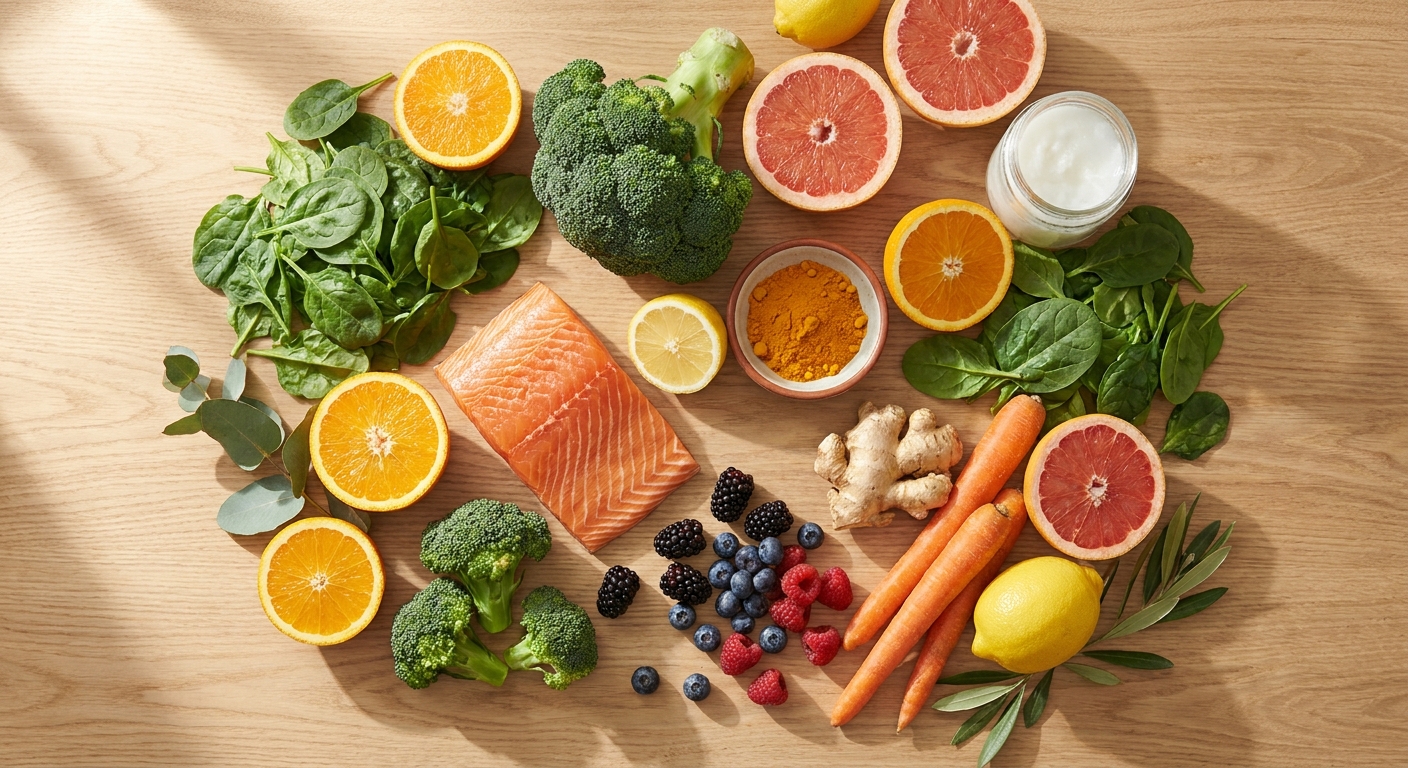
Here are 10 foods that genuinely strengthen your body's natural defences.
How Food Actually Affects Your Immune System
Every time you eat, you're either feeding your immune system or fighting against it. Your white blood cells need specific nutrients to function properly, and they're surprisingly picky about what helps versus what hinders.
Foods that drain your immunity:
- Sugar
- Alcohol
- Refined carbohydrates
Foods that strengthen your immunity:
- Vegetables
- Fruit
- Healthy fats
Look, you don't need to be perfect. I still enjoy wine and chocolate, and my immune system hasn't given up on me yet. The key is making the good stuff a priority most of the time. Stress about your diet will actually harm your immunity more than the occasional treat.
Keep these 10 foods in rotation, and you'll notice the difference.
1. Spinach
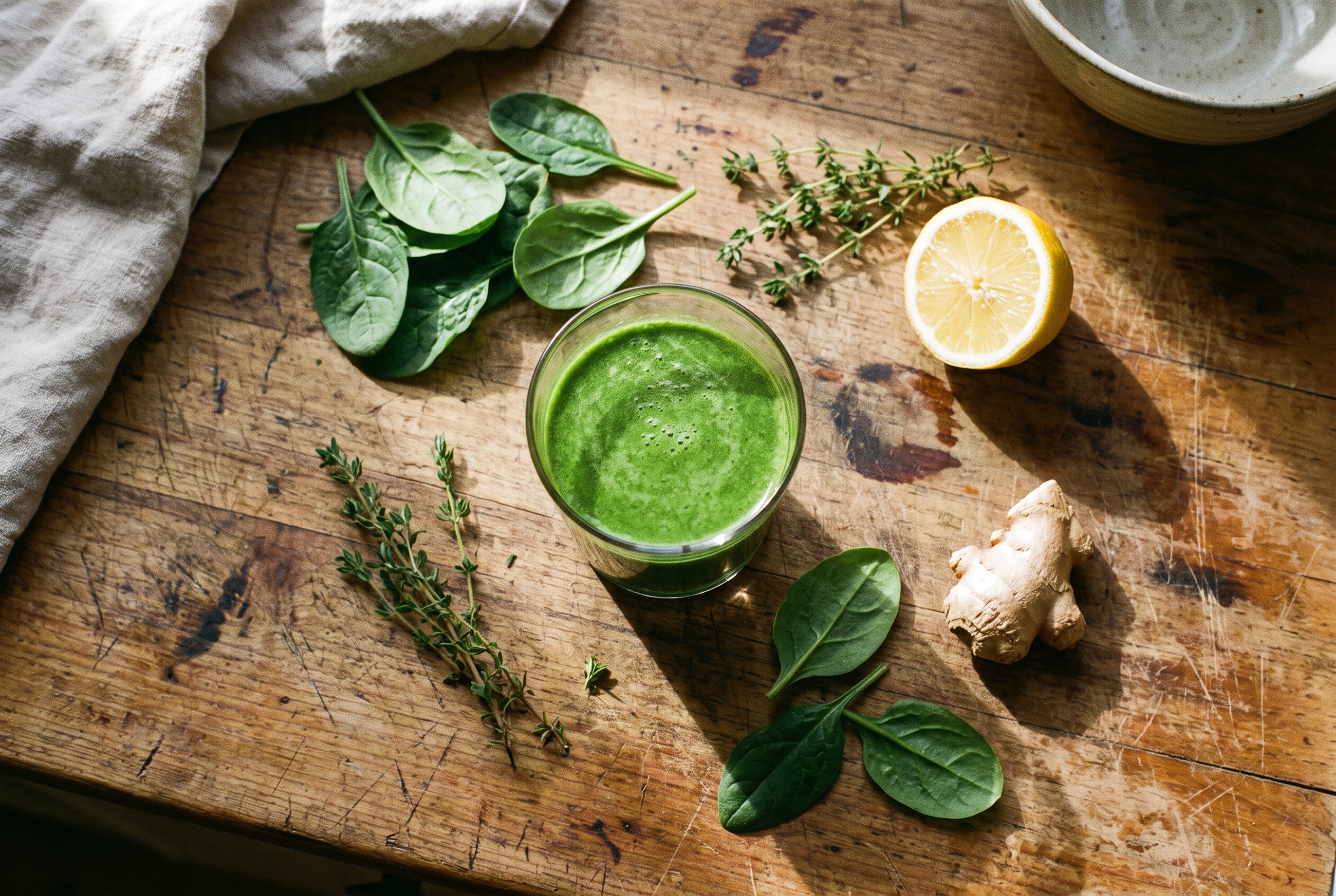
Spinach delivers folate, which your body needs to produce antibodies that destroy harmful antigens. It's also packed with vitamin C and contains more potassium per cup than bananas when cooked.
The potassium and magnesium work as electrolytes, keeping you hydrated and your energy levels stable. When you're properly hydrated and energised, your immune system can focus on its actual job instead of managing dehydration stress.
2. Citrus Fruits
Oranges, mandarins, grapefruit, lemons, and limes boost white blood cell production through their vitamin C content. Since your body can't produce or store vitamin C, you need a small daily intake to maintain your defences against bacterial infections.
Here's something that surprised me: Red capsicums contain twice as much vitamin C as any citrus fruit. They're also rich in beta carotene, another immune system essential.
3. Salmon (wild caught and organic is best)
Salmon gives you vitamin D and omega-3 fatty acids, both crucial for immune function. I recommend wild-caught because it's cleaner and more nutrient-dense than farmed varieties.
Other excellent oily fish:
- Mackerel
- Sardines
- Trout
I avoid recommending tuna because of its high mercury content, which actually works against your immune system.
4. Broccoli
Your mum was right about this one. Broccoli contains vitamins, minerals, fibre, antioxidants, and the amino acid choline, which keeps your cells functioning properly and maintains a healthy gut lining.
Since 70% of your immune system lives in your gut, anything that supports gut health directly strengthens your overall immunity. Try to get broccoli into your meals twice a week.
5. Carrots
Carrots provide carotenoids that convert to vitamin A in your body. This vitamin acts as a powerful anti-inflammatory and has proven therapeutic effects against infectious diseases.
For better absorption, eat carrots cooked or with healthy fats like olive oil or avocado.
Other vitamin A-rich sources:
- Sweet potato
- Spinach
- Apricots
6. Turmeric
Curcumin, the active compound in turmeric, fights inflammation and acts as a potent antioxidant. It blocks NF-kB, a molecule that triggers inflammation-related genes linked to chronic diseases.
The catch? Turmeric absorbs poorly on its own. Always pair it with black pepper to boost absorption. I add it to rice dishes, soups, stews, and curry sauces.
7. Ginger
Fresh ginger improves gut health, prevents common colds, and reduces inflammation. The compound gingerol has been shown to inhibit viral activity in human respiratory syncytial virus (HRSV), making it particularly relevant during cold and flu season.
I keep fresh ginger in my freezer and grate it directly into teas, stir-fries, and smoothies.
8. Coconut Oil
Coconut oil contains lauric acid, which can disintegrate virus envelopes, inhibit virus replication, and prevent viruses from binding to host cells. Dr. Fabian Dayrit has researched its potential against COVID-19, though clinical trials are still ongoing.
What we do know is that coconut oil supports your body's antiviral defences better than most other cooking oils.
9. Berries
Berries deliver vitamin C plus polyphenols, bioactive compounds that neutralise harmful free radicals, bacteria, and viruses. Research from 2017 shows that berry components can inhibit virus replication by blocking surface glycoproteins of influenza virus.
Anthocyanins, the compounds that give berries their deep colours, are particularly powerful antiviral substances. Blackberries, raspberries, and wild blueberries top the list.
I blend them into smoothies or mix them with Greek yoghurt for an easy immune-boosting snack.
10. Garlic
Garlic has been fighting infections for centuries, and modern research confirms its antiviral, antimicrobial, and anti-tumour properties. The sulfuric compounds, particularly allicin, create these immune-boosting effects.
Studies show garlic can inhibit coronavirus strains and reduce both the likelihood of getting sick and the duration of illness when you do catch something.
My Top Garlic Tip
When you feel that scratchy throat sensation, chop raw garlic and swallow it like a pill. Don't chew it. You'll get the immune benefits without the intense garlic breath. Though honestly, who's close enough to smell your breath these days anyway?
Making It Work For You
I know some of these suggestions might seem overwhelming. Start simple. Aim for 2-3 serves of these foods throughout your week. You don't need to overhaul your entire diet overnight.
What matters is consistency. Your immune system responds to steady, ongoing support much better than sporadic superfood binges.