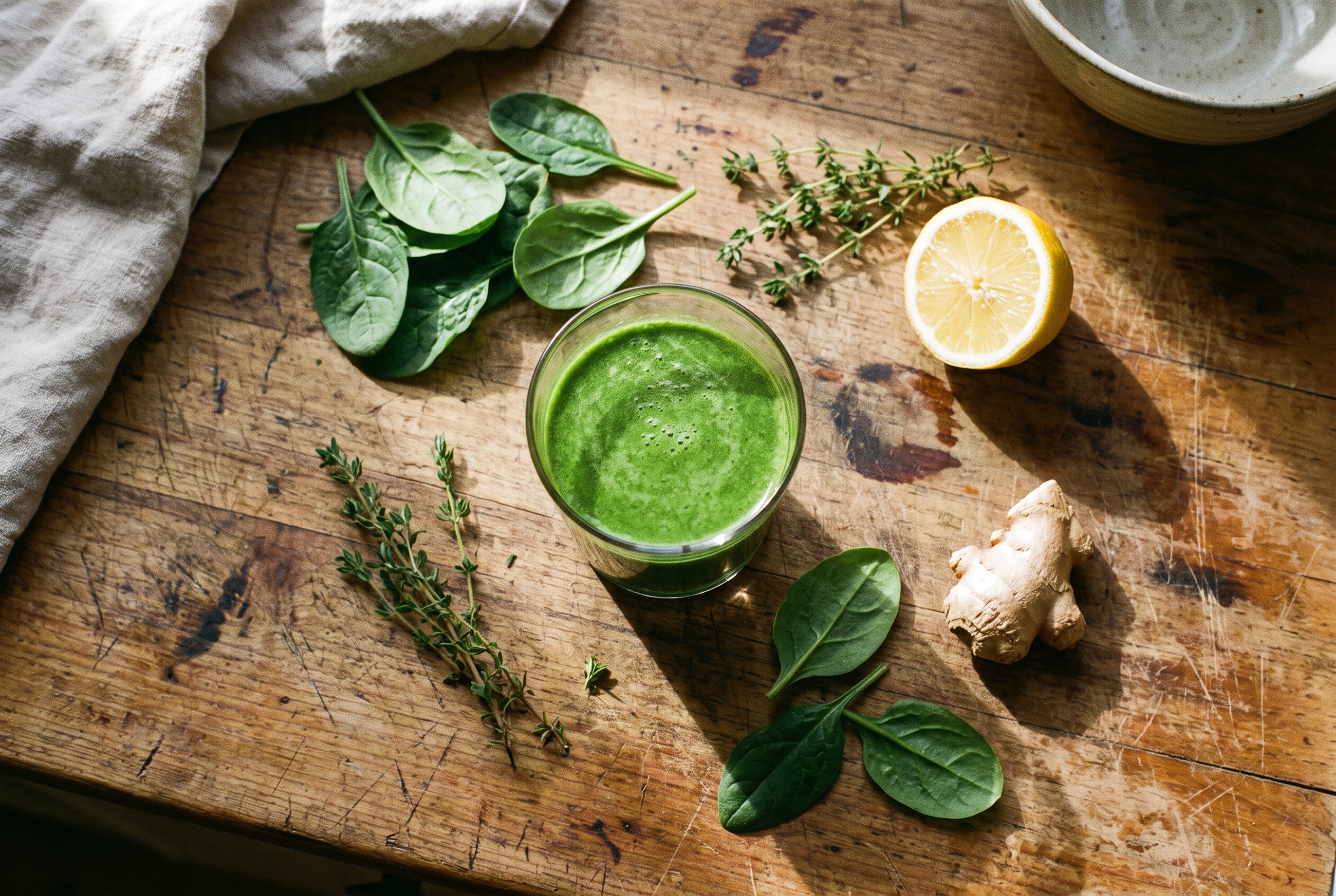
Consuming fresh vegetable juices can be an easy way to meet your daily vegetable requirements. I've found it's one of the simplest changes my clients make that actually sticks.
Doing so requires the use of a juicer, which extracts juice out of fruits and vegetables through using different methods, depending on the type of juicer. The investment is worth it when you see how much easier it becomes to get those nutrients in.
One benefit of juicing your vegetables is the preservation of important enzymes found in vegetables, which are destroyed or significantly reduced during cooking. This was a game changer for me when I first learnt about it.
The Real Story About Enzymes
Enzymes act as catalysts to chemical reactions that occur in your body. Such chemical reactions include processes that metabolise food, lessen toxin accumulation, aid in digestion, and produce cellular energy.
Your body produces enzymes naturally, though your enzyme supply must be replenished. Think of it like your phone battery - it needs regular charging to keep functioning optimally.
HealthMad.com notes that without a proper supply of enzymes, the body uses enzymes that are stored in your organs, thus slowing down metabolic functions. This is when you start feeling sluggish and notice your digestion isn't quite right.
Where Your Body Gets These Enzymes
Your body can receive enzymes from fresh vegetables and fruits. However, once vegetables are cooked at 118 degrees, they lose their enzyme content.
Processed or microwaved vegetables are also deficient in enzymes. As such, your body needs additional enzymes when eating cooked or processed foods.
Eating raw or very lightly cooked vegetables is the best way for your body to obtain the enzymes it needs to function properly. I'm not suggesting you go completely raw - cooked vegetables have their place and benefits too.
Consequently, juicing raw vegetables enables you to consume all of the enzymes available in a fruit and likely in greater quantities than when eaten normally.
What I've Noticed Since Adding Fresh Juice
In my own experience and with my clients, fresh vegetable juice becomes this easy nutritional insurance policy. You're getting concentrated vitamins, minerals, and those precious enzymes without having to chew through kilos of vegetables.
The key is starting simple. I usually suggest beginning with milder vegetables like cucumber and celery, then gradually adding in stronger flavours. Your taste buds adapt faster than you'd think.
One thing to remember - juice doesn't replace whole vegetables entirely. The fibre in whole vegetables feeds your gut bacteria in ways that juice alone can't. But as part of a balanced approach, fresh juice can fill nutritional gaps beautifully.