Picture this: your eight-year-old is having a meltdown because their tower fell down, and instead of screaming, they take three deep breaths and rebuild it. Your teenager feels anxious about an exam, so they step outside and focus on the sounds around them until they feel calm again. Your child notices their friend looks sad and offers genuine kindness without being prompted.
This isn't wishful thinking. It's what happens when kids learn mindfulness.
Mindfulness gives children practical tools to handle the emotional rollercoaster of growing up. More importantly, the habits they form now shape how they'll handle stress, relationships, and challenges for the rest of their lives.
What mindfulness actually does for kids
I've seen it countless times with my clients' children. Mindfulness teaches kids to hit the pause button between feeling something and reacting to it. Instead of letting emotions drive the bus, they learn to notice what's happening and choose their response.
This translates into real benefits: better focus at school, fewer emotional explosions at home, and genuine empathy towards others. Mindfulness also builds emotional regulation skills, stress management abilities, and surprisingly, better academic performance.
The beautiful thing about mindfulness for kids is that it naturally develops qualities we all want to see more of: kindness, compassion, gratitude, and contentment. It helps them notice the good stuff that's already there instead of always focusing on what's wrong or missing.
Now, I'm not suggesting you get your six-year-old to meditate for 20 minutes every morning. That's a recipe for resistance and eye rolls. Instead, mindfulness for kids starts with simple focusing skills woven into everyday activities.
When children learn to focus on just one thing, whether it's the taste of their food or the feeling of their breath, their mind settles and their ability to concentrate grows stronger.
10 simple mindfulness activities that actually work
Take a mindful walk. Your body is always in the present moment, even when your mind is planning tomorrow's lunch or replaying yesterday's drama. Help your child's mind catch up with their body by paying attention to physical sensations. Feel the air on your face, notice how your feet hit the ground, observe whether your steps are long or short. Pay attention to breathing without trying to change it.
Cook or bake together. Activities that require focus naturally bring us into the now. Notice the different smells and textures of ingredients. Watch how they change as you prepare and cook with them. Pay attention to every detail as you weigh, peel, chop, crush, knead, stir, fold, sift and mix. When you taste the final product, really notice the flavours and textures.
Squeeze and relax the muscles in your body. This works any time but it's particularly good for helping kids wind down for sleep. Start with the feet and work up through the body. Tense each muscle group and hold it for five seconds, then relax. Repeat with legs and arms, noticing how the body feels after each release.
Play the gratitude game. Perfect for family dinner time. Go around taking turns to say something you're grateful for, for as long as you can keep it going. Practising gratitude is powerful mindfulness because you can't feel grateful without focusing on your present moment experience.
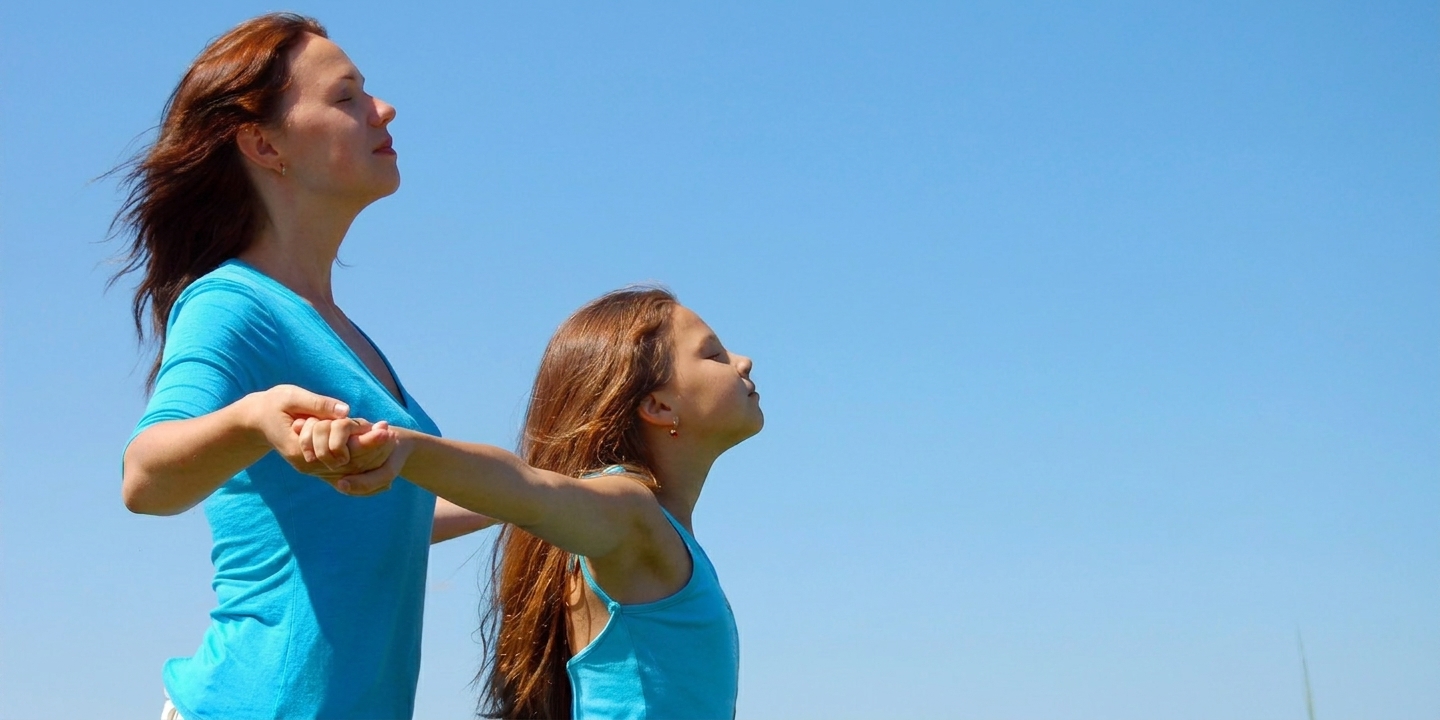
Press the pause button. When emotions threaten to boil over, take ten deep breaths together, focusing attention on the breath as it enters and leaves the body. Deep breathing calms the central nervous system, and taking those moments helps avoid reacting in the heat of the moment. After the ten breaths, move forward together with awareness.
Dissect your music. Listen to songs together and really pay attention. Notice the voice and tone of the singer. Focus on the words. Can you make out all the lyrics? What is the song about? Notice the beat and rhythm. Count how many different instruments you can hear. Between songs, notice how each one makes you feel.
Head outside and take a nature bath. Immersing ourselves in nature increases our awareness and appreciation of how everything connects, including us. Start by putting your hands on the trunk of a tree (or hug it if you like). Notice how it feels. Take a leaf and rub it between your fingers. Feel the texture and smell. Touch the earth. Notice bugs and insects. Look up at the sky. Watch birds, clouds, changing light and wind in the trees. Take a few moments to marvel at it all.
Zoom out. When problems and worries feel overwhelming, take kids on a visualisation journey. Get them to close their eyes and picture the room they're in. Guide them to zoom out and lift up into the air, looking down at their house from above. Zoom out further to see the street, then local landmarks, then green hills and blue oceans with clouds you could touch. Guide them to visualise putting their worries on a nearby cloud and watching it float away. Then bring them back to the room feeling more peaceful.
Listen near and far. When nerves or anxiety appear, focusing on sounds can help calm things down. Begin by focusing on sounds close by. After a few moments, switch attention to sounds far away. How many different sounds can you hear? Are they continuous or intermittent? Low or high-pitched? This trains the mind to focus on whatever you choose, which is incredibly powerful for managing anxiety and stress.
Find silver linings. Whenever things don't go according to plan, use it as practice to find something good in the situation. This mindfully builds acceptance, gratitude and peace with what is rather than fighting reality.
Mindfulness isn't just helpful for kids. As mums, we often need these tools even more than our children do. That's why I created the 7 Day Mindfulness Experience, designed specifically for busy mums who want to live more mindfully but don't have hours to spare.
With practical content, videos, and daily text messages with actionable tips, the 7 Day Experience gives you both formal and informal mindfulness techniques you can actually use in everyday life. Because when we model these practices ourselves, our kids learn them naturally. Join us here.