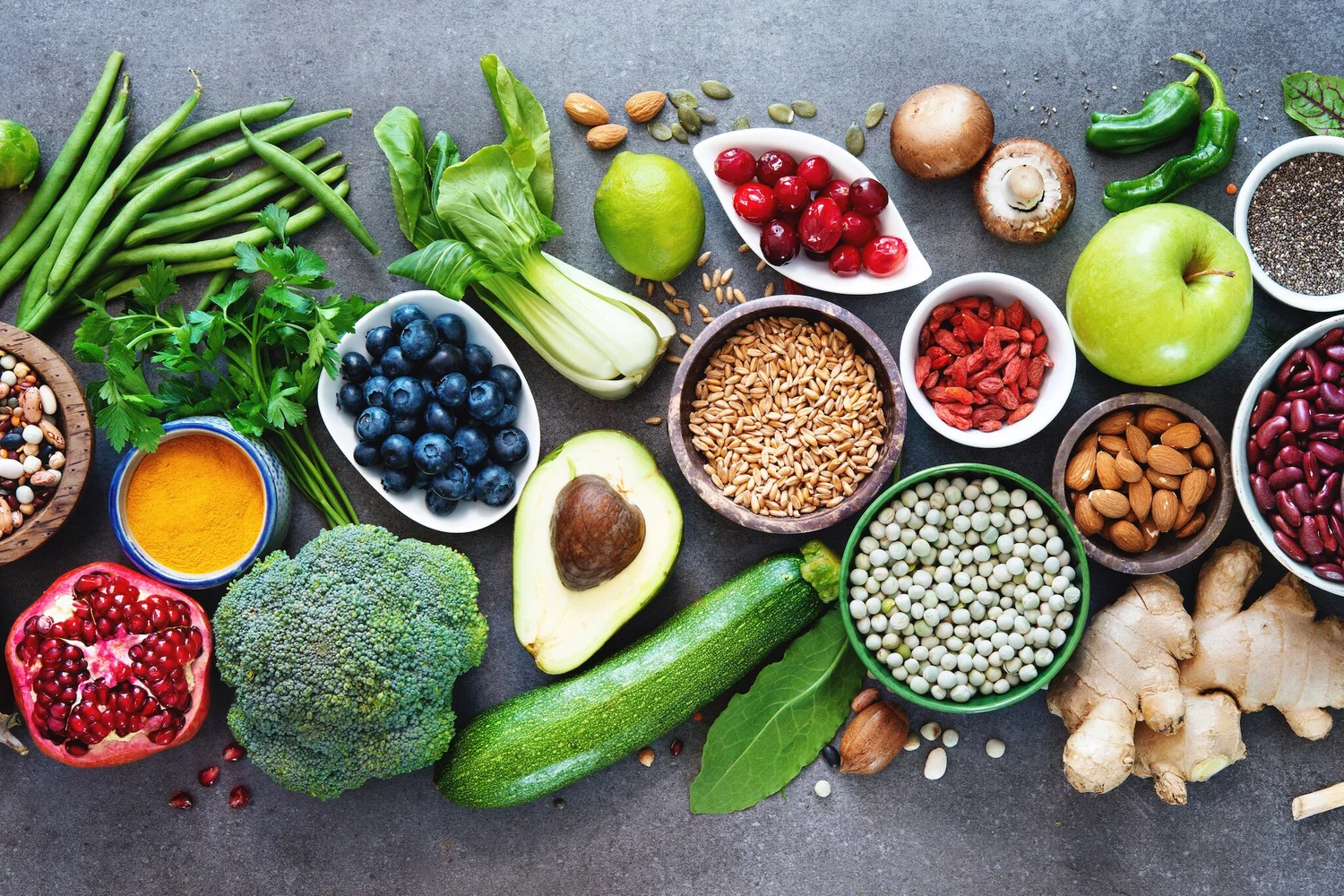
The idea of eating "plant-based" sounds healthy. And it is. It is also a buzzword we're seeing more and more. But what exactly is a plant-based diet and what makes it healthy?
A plant-based (or plant-forward) diet is a style of cooking and eating that emphasises foods primarily from plants but is not strictly limited to them. Meat may be included but it’s usually not the main feature of the meal.
Popular plant-based diets include; vegetarian diet, vegan diet, pescatarian diet or a flexitarian diet. These diets can carry some risk of inadequate protein, vitamin, and mineral intake. But these risks are readily overcome by choosing the right vegetarian foods and, when necessary, supplements.
I was vegetarian for many years and then in my 30s I decided to become pescatarian, although I only have fish a couple of times a week. I never felt meat was right for me so it was an organic process that has served my health very well. I also love that I’m helping mother earth too.
Speaking of meat, it is often loaded with cholesterol and saturated fat, which have starring roles in poor heart health. Even worse for you is processed meats like deli meat, bacon and sausage which often have too much sodium in them. On the other hand, lean meats, skinless poultry, and fish can be good sources of protein if they are purchased grass-fed and organic.
It’s good to remember that removing meat doesn’t have to mean removing protein. There are plenty of other foods that pack a protein punch, like tofu, quinoa, mushrooms, lentils, chickpeas and most beans and legumes.
And did you know there are many good vegetable sources of protein? That’s right, artichokes, asparagus, broccoli, Brussels sprouts, collards, corn, potatoes, capsicum, spinach, and sweet potatoes all provide a good amount of protein.
In fact, every plant we eat has some protein in it. So you may be getting enough protein without meat.
By making the switch to a plant-based diet you gain these benefits:
- Boosts weight loss - People who follow a plant-based diet tend to have lower body mass indexes (BMIs) compared to their omnivore counterparts. And research shows that people who use a vegetarian diet to lose weight are more successful not only at dropping kilos, but also at keeping them off.
- Reduces risk of disease - Research over many years has linked plant-based diets to lower rates of heart disease, type 2 diabetes, and some cancers (as compared with diets high in meat and other animal products).
- Better nutrition - Fruits and vegetables are filled with essential nutrients for optimal health, energy, and vitality, such as B vitamins, magnesium, vitamin C, vitamin K, chlorophyll and beta-carotene.
- Better for the planet- you only have to watch the documentaries by David Attenborough and Prince William to know that eating a mostly vegetarian/vegan diet is better for our earth. Animal agriculture is responsible for more greenhouse gas emissions than the entire transportation sector. It's also responsible for nearly 90% of the deforestation in the Amazon, and is a huge drain on our water supplies.
- Naturally boost mood and energy- Plants are super high in vitamins and minerals which are amazing for energy! They're rich in antioxidants, phytonutrients and often times healthy fats and protein, all of which are amazing for your brain and mood.
- Improves your digestion - Meat can be difficult to digest, and by eating more bitter foods you can help to improve bile flow and therefore fat emulsification. They also improve our digestion and liver function. Bitter foods include; rocket, endive, asparagus, radish, lemons, limes, grapefruit and apple cider vinegar. We include all these foods and more in our online health programs.
- Supports better detoxification and elimination- Fibre is crucial for the detoxification and elimination processes in the body. Without adequate fibre, toxins may be recycled through the digestive system. Fibre allows them to be swept up and eliminated through the bowel.
Eating more plants means getting more of those good-for-you vitamins, minerals, phytochemicals and fibre-many of which are nutrients we typically fall short on.